Pre-Writing p
Squiggle (Pre-Writing Programme
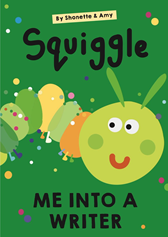
"Squiggle while you wiggle" is the name of an early writing program designed to develop children's gross and fine motor skills through dance, music, and mark-making activities.
The program, created by Shonette Bason-Wood, involves several stages that prepare children for writing:
- Movement to musicChildren use "flipper flappers" (bits of fabric, scarves, or ribbons) to perform large motor movements to music, such as circles, ups and downs, and side-to-sides. This helps to strengthen the relevant muscles in their arms and shoulders and develop gross motor skills necessary for writing.
- Mark makingAfter the movement, children transfer these actions to a surface like paper, sand, or foam using various writing tools. They practice the same movements they made with their bodies on a smaller scale, which develops fine motor control.
- Letter formationFinally, children identify which letters or letter shapes can be formed using the movements they practiced.
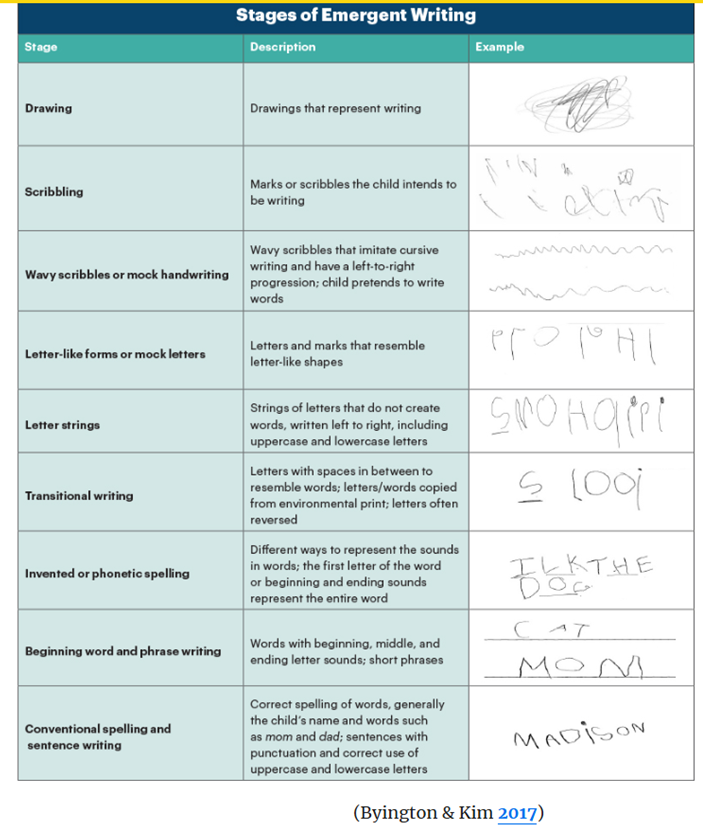
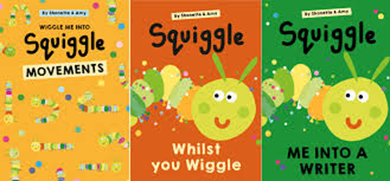
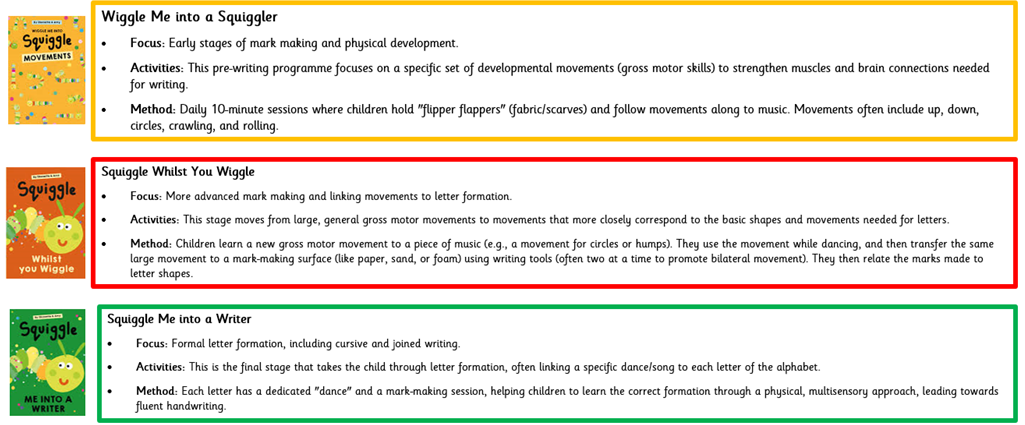
The first stage is designed for the early stages of mark making and physical development used in writing.
The second stage in early years child development moves on to more advanced mark making and letter formation.
The third stage in our Squiggle Programme takes the children through letter formation and cursive mark making (cursive style is not always appropriate for our children accessing the Squiggle Programme).
Squiggle me into a Writer is the next developmental stage for the child to learn to not only form letters but form them correctly. Like Wiggle me to Squiggle and Squiggle Whilst you Wiggle, this programme uses neurological and physiological movements.
The overall goal of the programme is to ensure children develop the necessary gross motor skills (whole-body movement) before focusing on fine motor control (fingers and wrist) which are essential for confident and fluid handwriting.
Dough Disco

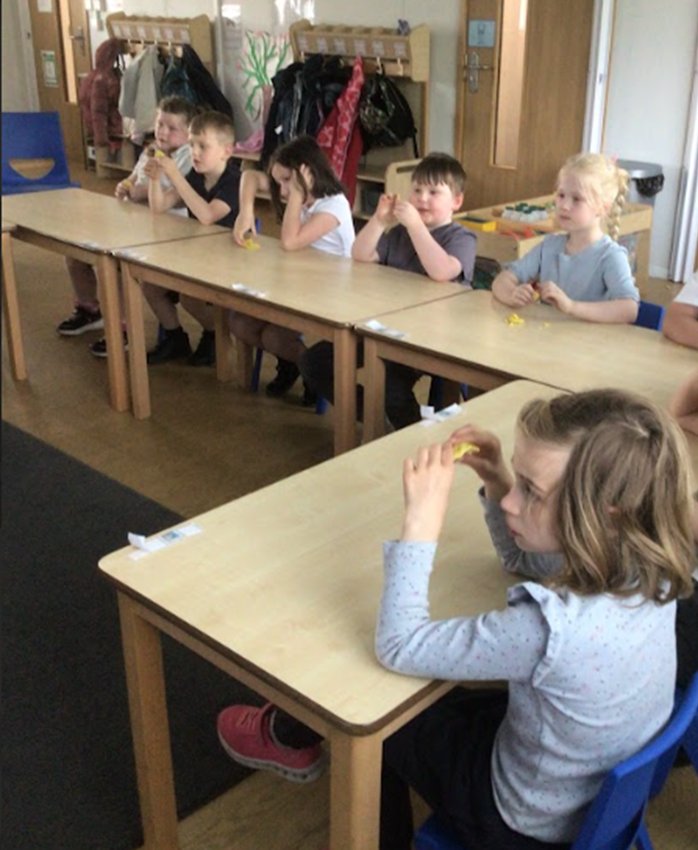
The Dough Disco is a popular fine motor skills programme developed by early years expert Shonette Bason-Wood, which involves moulding play dough to music to strengthen the muscles in the hands, fingers, and wrists. This helps improve dexterity, hand-eye coordination, and ultimately supports children's handwriting development.
How It Works
Participants perform specific actions with the dough in time with music:
- Squeeze the dough.
- Roll it into a ball or sausage.
- Flatten it into a pancake.
- Pinch it with individual fingers.
These simple, repetitive movements, done daily for around five minutes, help the brain gain better control over the fingers.
Key Benefits
- Improves Fine Motor Skills: The exercises build strength and control in the small muscles of the hands and fingers.
- Aids Handwriting: Stronger hand muscles and better control facilitate a proper pencil grip and effective mark-making.
- Engaging and Fun: Using music (anything from pop songs to nursery rhymes) stimulates 'happiness chemicals' and makes the activity enjoyable for all ages, impacting memory and engagement.
- Versatile: It can be used in schools, homes, and even aged care facilities, with no age limit.